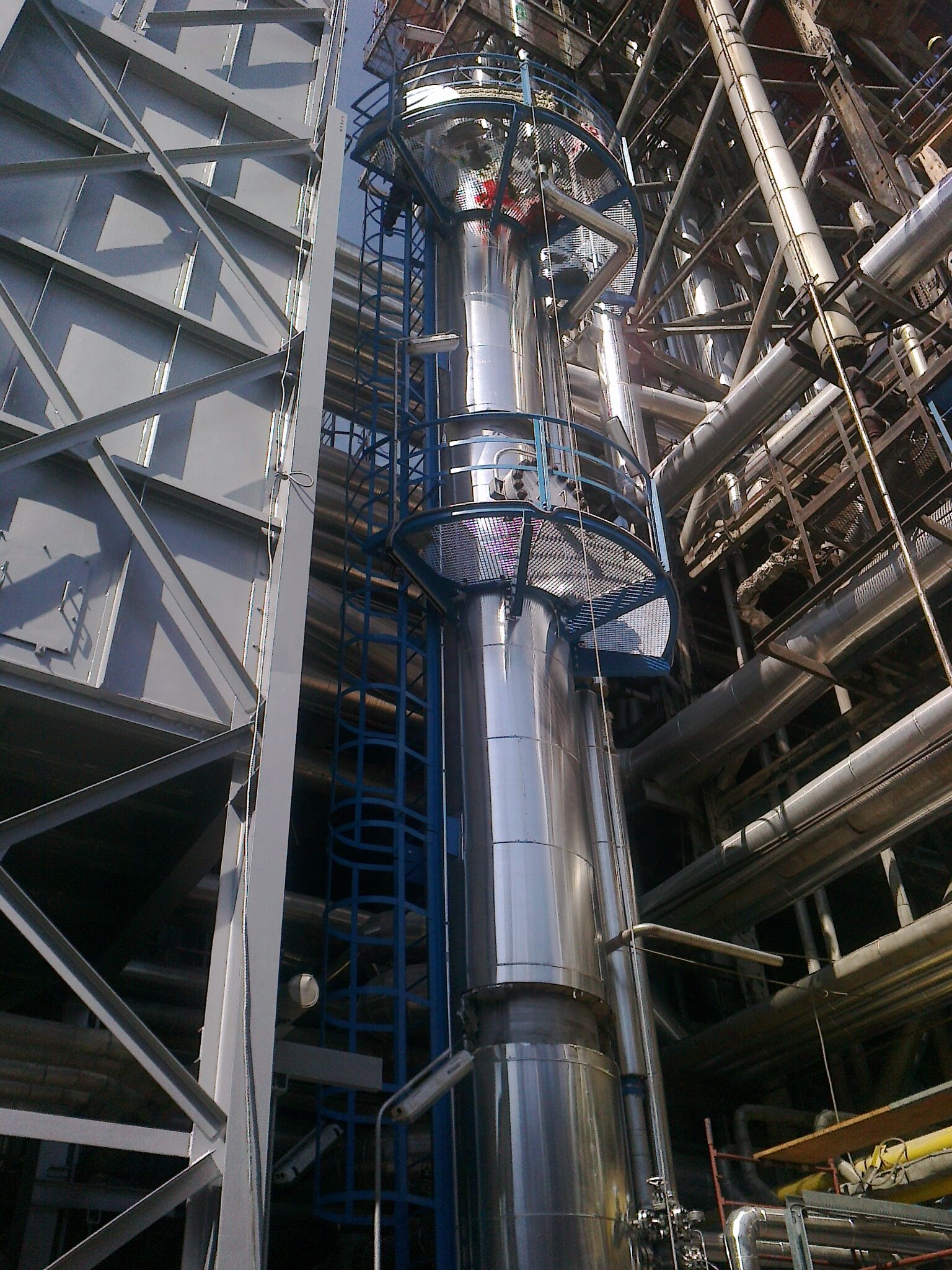
Pressure treatment of process condensate with process steam
The solution is to use superheated steam to purify the process condensate by pressure stripping. As a result of the process, the steam stream leaving the stripping column, along with volatile impurities driven off the process condensate, is directed directly into the process gas stream fed to the reformer. The clean condensate, containing trace amounts of ammonia (NH3) and methanol (CH3OH), can feed the medium- and low-pressure steam boilers, and the excess is returned to the demineralization station, where it is the raw material for the production of demineralized water feeding the high-pressure boilers. The result is a reduction in demineralized water consumption of about 1.25 t/t NH3.
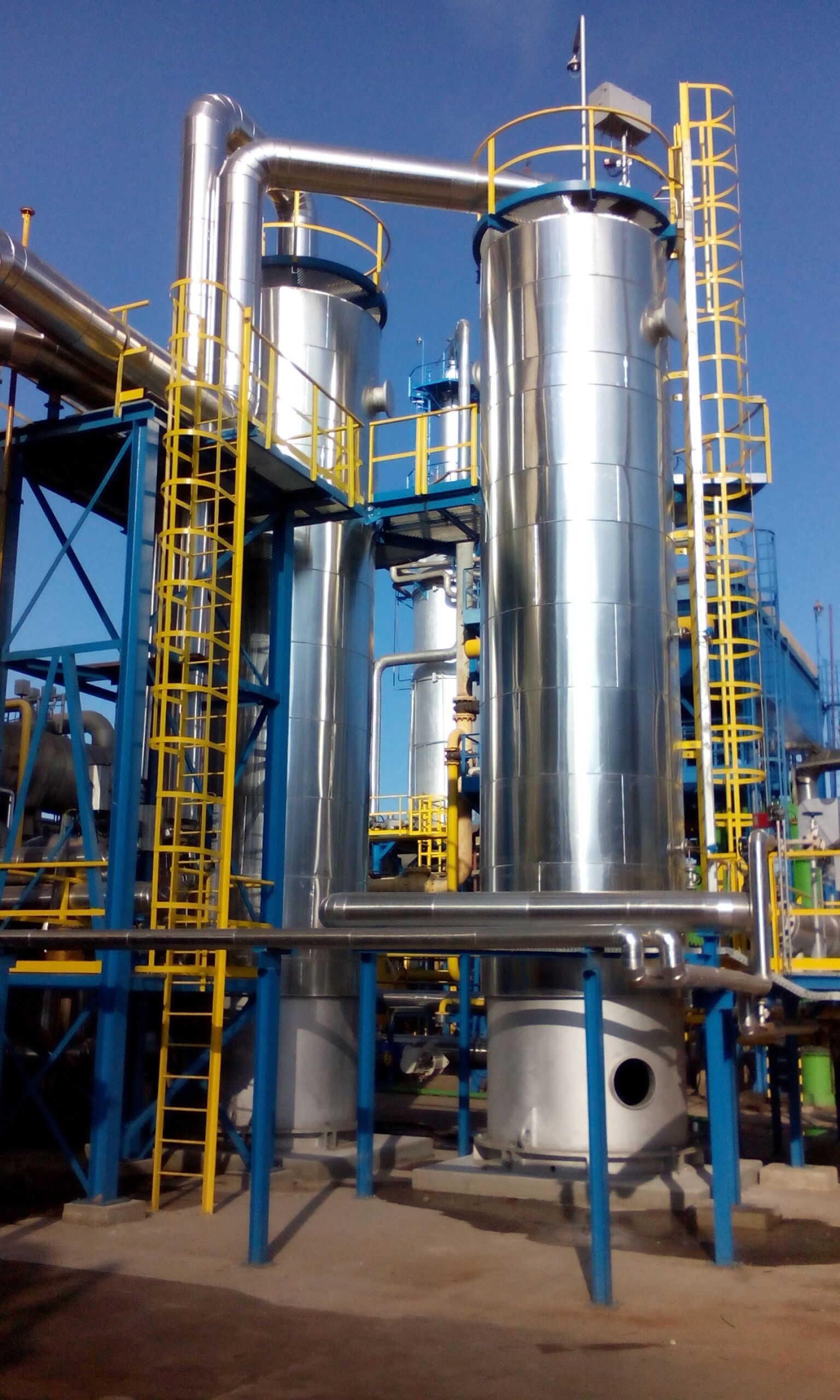
Synthesis gas drying
Adsorptive drying of synthesis gas is implemented on molecular sieves in a Temperature Swing Adsorption (TSA) system. The use of this technology allows fresh synthesis gas to be introduced directly into the ammonia synthesis loop, bypassing the cooling, condensation and liquid ammonia (NH3) separation system. This results in lower flow resistance, relieves the thermal load on the ammonia coolers, and increases the degree of conversion during a single pass of the gas through the ammonia synthesis catalyst. Ultimately, gas circulation and associated energy losses in the synthesis loop are reduced. The end result of this solution is the ability to increase plant efficiency, reduce synthesis pressure and reduce natural gas (CH4) consumption, while improving the quality of the final product in the form of liquid ammonia (NH3).
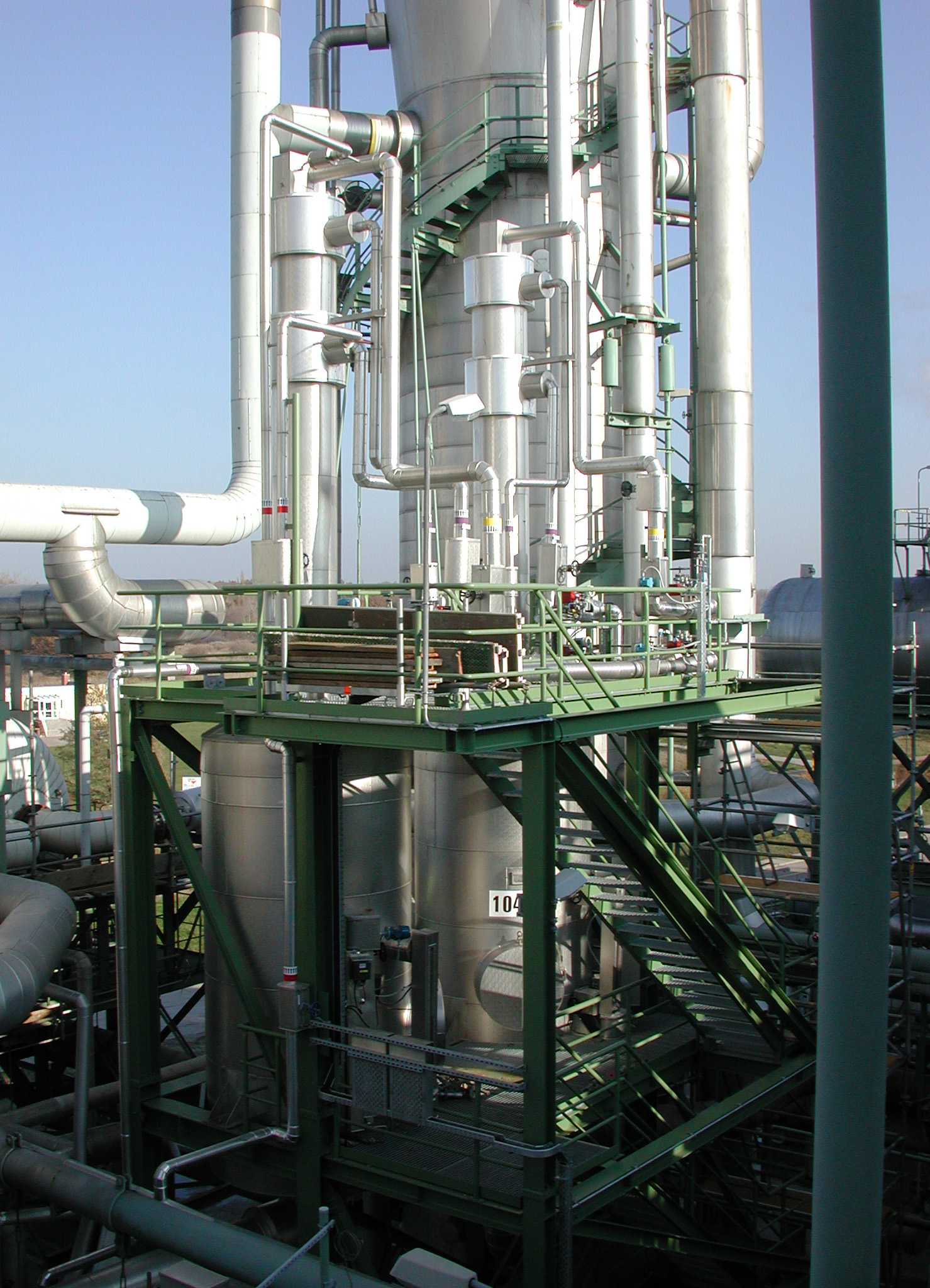
Improving the purity of carbon dioxide obtained at the Benfield/Carsol node
The solution involves the separation of inert gases (H2, N2, CH4, CO) from the stream of saturated potassium carbonate solution (K2CO3) leaving the absorber at the Benfield/Carsol node. The process is carried out by installing a special design of a tank-separator behind the expansion turbine, in which desorption of gaseous components from the potassium carbonate solution takes place as a result of pressure reduction. The carbon dioxide (CO2) separated along with the inerts is reabsorbed using a small stream of regenerated potassium carbonate solution fed to the top of the inert separator. The Benfield/Carsol solution devoid of inert gases is further directed to the top of the regenerator, where 99.9% pure carbon dioxide (CO2) is emitted, containing only trace amounts of impurities. As a result, this solution makes it possible to increase the flux of pureCO2, reduce the energy consumption ofCO2 compression in installations using this gas (e.g. urea plants, liquidCO2 plants). An additional advantage of using an inert separator is the recovery of gas containing up to approx. 50% hydrogen (H2), which can be used for fuel purposes.

Modernization of the node for removal of carbon dioxide from synthesis gas with activated potassium carbonate solution
The solution, for use in upgrading process gas purification nodes from carbon dioxide based on Benfield or Carsol technology, involves rapid evaporation of the regenerated potassium carbonate solution (K2CO3) due to pressure reduction. The cooling of the solution accompanying the expansion allows the solution’s air cooler to be turned off and contributes to reducing heat loss to the environment. The effect of this solution is to reduce the natural gas consumption rate by about 25 Nm3/tNH3, intensify the ammonia plant by 15-20% and reduce the heat consumption for regeneration, from 1200 to 880 kcal/1000 Nm3CO2.
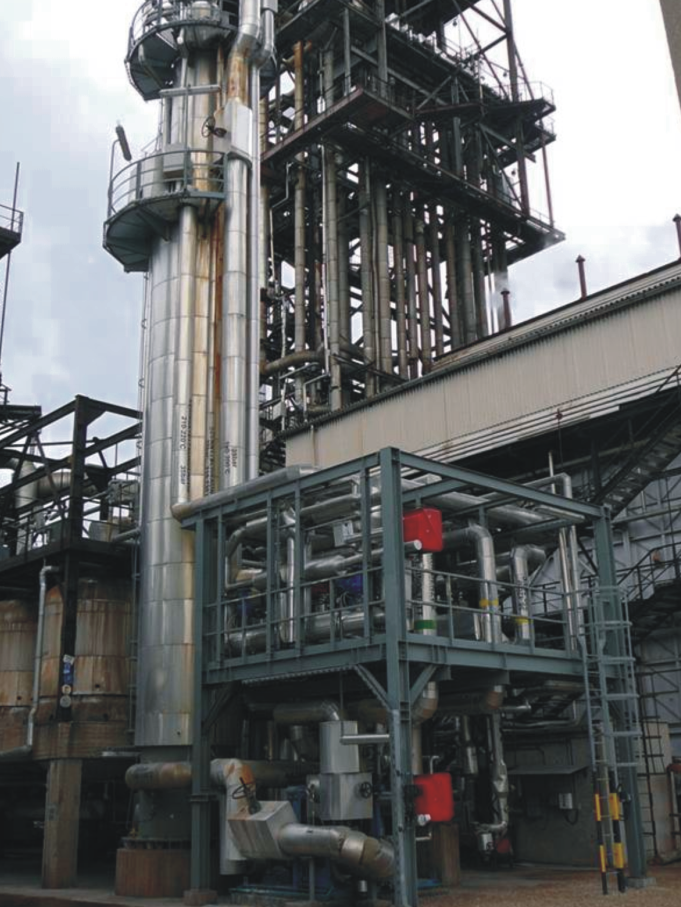
Natural gas saturation
The solution involves sprinkling hot condensate on the natural gas stream headed for the reforming process. As a result, the natural gas is saturated with water vapor evaporated from the condensate stream. The result is a reduction in the natural gas consumption rate by about 12 Nm3/tNH3 (about 0.42 GJ/t NH3) and a reduction in the consumption of demineralized water in the high-pressure steam generation system by about 0.4 t/t NH3. The process is designed for use in ammonia plants, methanol plants, related syntheses, and hydrogen plants.
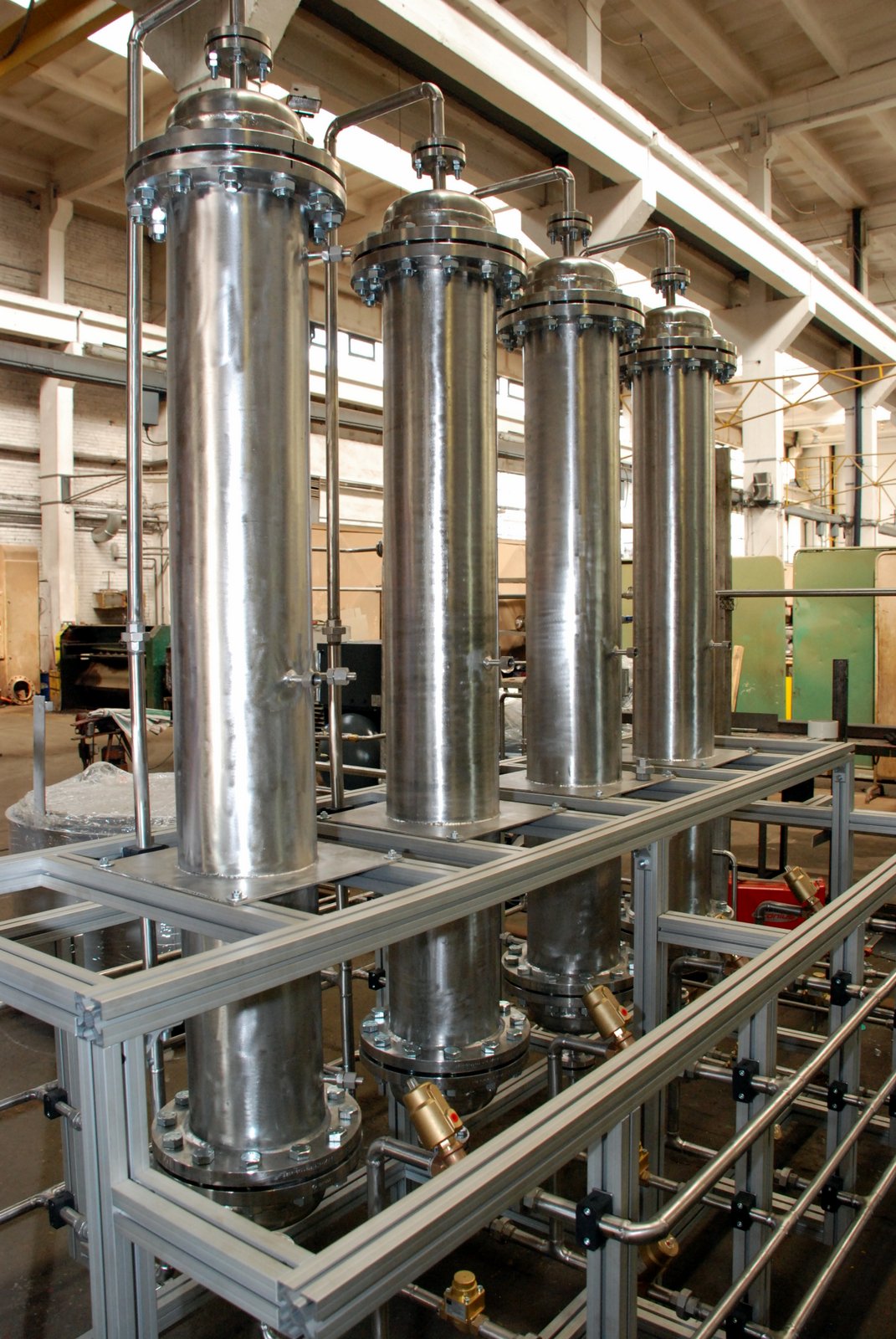
Production of high-purity hydrogen
The solution relies on the separation of pure hydrogen (H2) on zeolite molecular sieves from a multicomponent mixture using the Pressure Swing Adsorption (PSA) process. The result is hydrogen with a high purity of 99.999 – 99.9999%. The solution includes the turnkey supply of small, reliable and fully automated plants for separating hydrogen from multicomponent gas mixtures, such as natural gas (CH4) or post-refinery gases, with a production capacity of 200-1000 Nm3/h.